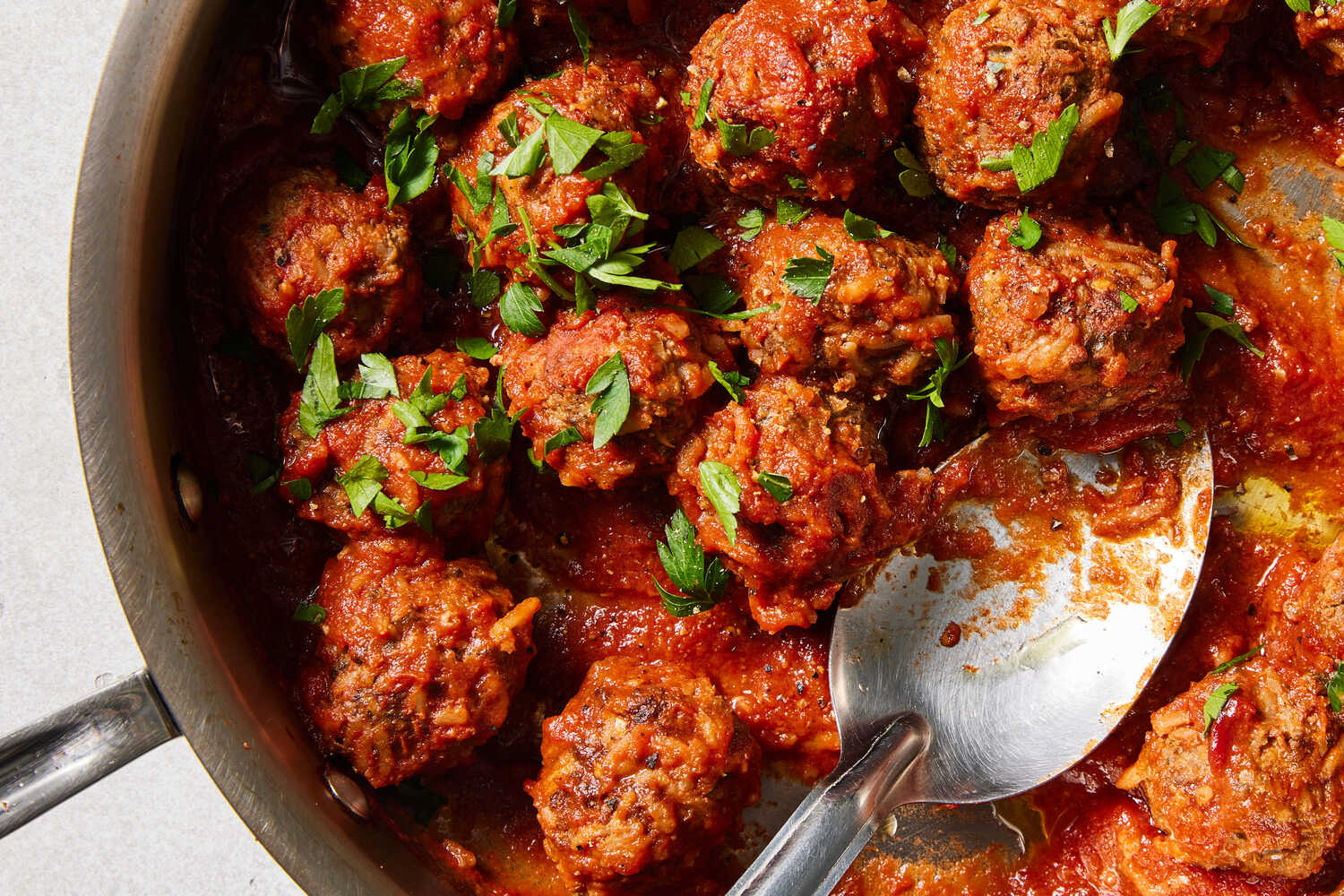
The Enduring Charm of Porcupine Meatballs: A Culinary Deep Dive
Few dishes evoke a sense of nostalgic comfort quite like porcupine meatballs. This classic American supper, beloved by generations, is more than just a simple meal; it's a culinary hug, a family favorite that brings warmth and satisfaction to any table. Known for their unique appearance—uncooked rice poking out like tiny quills, giving them their distinctive name—these humble yet hearty meatballs are a testament to clever cooking and economical ingredients. While deceptively simple, mastering the art of perfect porcupine meatballs involves a few tricks and insights that can elevate a good dish to a truly great one. In this article, we'll journey beyond the basic recipe, exploring the history, essential techniques, creative variations, and serving suggestions that ensure your porcupine meatballs are always a resounding success.
The Genesis and Enduring Appeal of Porcupine Meatballs
The origins of porcupine meatballs are somewhat shrouded in the mists of mid-20th-century American home cooking, often attributed to the era of Depression-era ingenuity and post-WWII convenience. With an emphasis on stretching ingredients and creating satisfying meals from pantry staples, the concept of combining ground meat with uncooked rice and simmering it in a flavorful tomato sauce was a stroke of genius. The rice not only expands during cooking, creating the signature "porcupine" texture, but also acts as an extender, making the dish more filling and economical. This clever use of ingredients made it a staple for families looking for hearty, budget-friendly meals.
What gives porcupine meatballs their lasting appeal?
- Uncomplicated Comfort: They hit all the right notes for comfort food – savory, meaty, saucy, and wonderfully filling.
- Kid-Friendly: The mild, tomato-based sauce and soft texture make them a hit with children, often a secret weapon for picky eaters.
- Economical & Accessible: Utilizing common pantry items like ground beef, rice, and tomato soup, it's an affordable meal accessible to most home cooks.
- One-Pot Potential: Many recipes lend themselves to being cooked entirely in one pot or pan, simplifying clean-up.
- Versatile: While the classic recipe is king, the fundamental concept is adaptable to various flavor profiles and dietary needs, which we'll explore shortly.
For those looking for a foundational recipe to begin their journey into this delightful dish, exploring porcupine meatballs - Article 1 can provide an excellent starting point with a classic preparation.
Mastering the Art of Perfect Porcupine Meatballs
Achieving that ideal balance of tender meat, perfectly cooked rice, and a rich, enveloping sauce is the key to truly exceptional porcupine meatballs. Here’s how to nail it every time:
Key Ingredients & Their Role
- Ground Meat: While ground beef (80/20 lean-to-fat ratio is often preferred for flavor and moisture) is traditional, you can certainly use ground turkey, chicken, or a blend. Adjust cooking time if using leaner meats to prevent dryness.
- Rice: Long-grain white rice is the standard. Do not pre-cook it! The magic happens as it absorbs the sauce and cooks within the meatballs. Rinsing the rice before adding it can remove excess starch, potentially leading to a fluffier texture, but it's not strictly necessary for this dish.
- Aromatics & Seasonings: Finely diced onion and minced garlic are non-negotiable for depth of flavor. Beyond salt and pepper, consider a pinch of dried herbs like oregano or thyme, or a dash of Worcestershire sauce for umami.
- Binder: While the rice helps, a small amount of egg or breadcrumbs (or both) can aid in binding the meatballs, preventing them from crumbling. However, many classic recipes rely solely on the meat and rice.
- Sauce Base: Cream of mushroom soup or tomato soup are popular choices for a creamy, rich sauce. Alternatively, a homemade sauce from crushed tomatoes, tomato paste, and broth offers a fresher, less processed flavor.
Techniques for Success
- Gentle Mixing: Overmixing the meat mixture can result in tough meatballs. Mix just until combined. Use your hands for best results, ensuring the rice and seasonings are evenly distributed without compacting the meat.
- Uniform Size: Aim for meatballs of roughly the same size (about 1.5 to 2 inches in diameter). This ensures even cooking. A small cookie scoop can be very helpful here.
- Don't Pack Too Tightly: While you want firm meatballs, don't pack them too tightly. This allows the rice room to expand and absorb moisture, contributing to the "porcupine" effect and tenderness.
- Simmer, Don't Boil: The key to perfectly cooked rice within the meatballs is a gentle simmer. Boiling vigorously can cause the meatballs to break apart and may not allow the rice to cook evenly. Cover the pot to trap steam, which aids in cooking the rice.
- Adequate Sauce: Ensure the meatballs are largely submerged in the sauce. If the sauce level is too low, the rice exposed to air may not cook through. Add more broth or water if needed.
- Patience is a Virtue: The cooking time, usually 30-45 minutes, is crucial for the rice to become tender. Don't rush it!
Beyond the Classic: Exciting Porcupine Meatball Variations
While the traditional porcupine meatballs hold a special place in our hearts, the underlying concept is incredibly versatile. Don't be afraid to experiment and adapt this dish to new flavors and dietary preferences.
Spice It Up! Global Flavors
- Mexican-Inspired: Swap out some of the traditional seasonings for taco seasoning, a pinch of cumin, and chili powder. Use salsa or a combination of diced tomatoes and chipotle peppers in adobo sauce for the sauce base. Serve with cilantro and a dollop of sour cream.
- Asian Twist: Infuse the meat mixture with grated ginger, minced scallions, and a dash of soy sauce or fish sauce. Create a sauce using beef broth, soy sauce, a touch of sesame oil, and a swirl of sriracha for heat. Serve over jasmine rice, perhaps with steamed bok choy.
- Italian Herb & Cheese: Add Italian seasoning, grated Parmesan cheese, and finely chopped fresh parsley to your meat mixture. Use a rich marinara sauce as your base, perhaps with a splash of red wine. Serve with extra Parmesan and crusty garlic bread.
- Smoky BBQ: Incorporate smoked paprika, a little liquid smoke, and a good quality BBQ sauce into your meatball and sauce mixture. A touch of brown sugar can balance the tang.
Dietary Adaptations
- Low-Carb: Replace white rice with cauliflower rice (finely riced or processed in a food processor, no need to pre-cook). You might also need a stronger binder like almond flour or a flax egg. The texture will be different, but the flavor profile can be maintained.
- Gluten-Free: The classic recipe is often naturally gluten-free if you avoid breadcrumbs and ensure your other ingredients (like soups) are certified GF. Brown rice can also be used, but note that it requires a longer cooking time and more liquid.
- Vegetarian/Vegan: This requires a more significant overhaul. Use a plant-based ground "meat" substitute or a mixture of cooked lentils, mushrooms, and walnuts as your base. Cooked rice or quinoa can still provide the "porcupine" texture. Use vegetable broth and ensure all other ingredients are vegan-friendly.
For those eager to explore more advanced techniques, pairings, or perhaps even deeper historical context, porcupine meatballs - Article 3 offers additional insights to expand your culinary repertoire.
Serving Suggestions and Perfect Pairings
While delicious on their own, porcupine meatballs shine even brighter when paired with complementary sides. The rich, savory nature of the meatballs and their comforting sauce makes them ideal for absorbing lighter accompaniments.
- Classic Starch: Mashed potatoes are a quintessential pairing, perfect for soaking up every last drop of the luscious sauce. Cooked pasta (egg noodles are especially good), rice, or even polenta are also excellent choices.
- Green Vegetables: To balance the richness, serve with steamed or roasted green vegetables. Green beans, broccoli, asparagus, or a simple side salad with a vinaigrette dressing add freshness and a nutritious crunch.
- Bread: A crusty loaf of bread or garlic bread is fantastic for mopping up the sauce.
- Garnishes: A sprinkle of fresh parsley or chives not only adds a pop of color but also a fresh herbaceous note that brightens the dish. A grating of Parmesan cheese is also never unwelcome.
Make-Ahead & Freezing Tips
Porcupine meatballs are an excellent candidate for meal prep. They actually taste even better the next day as the flavors meld and deepen.
- Refrigeration: Store cooked and cooled meatballs in their sauce in an airtight container in the refrigerator for up to 3-4 days. Reheat gently on the stovetop or in the microwave.
- Freezing: These meatballs freeze beautifully.
- Cooked: Allow the cooked meatballs and sauce to cool completely. Transfer to freezer-safe containers or heavy-duty freezer bags. They can be frozen for up to 3 months. Thaw overnight in the refrigerator and reheat gently.
- Uncooked: Form the meatballs and flash freeze them on a baking sheet until solid. Then transfer them to a freezer bag. When ready to cook, you can often cook them directly from frozen, adding extra cooking time, or thaw them partially before simmering in the sauce.
Conclusion
From their humble beginnings as an economical and resourceful meal, porcupine meatballs have cemented their place as a beloved fixture in home kitchens across the country. Their ability to deliver profound comfort with minimal fuss, combined with their inherent versatility, ensures they remain a go-to dish for busy weeknights and cozy family gatherings alike. Whether you stick to the time-honored classic or venture into exciting new flavor profiles, the fundamental appeal of these savory, rice-studded meatballs continues to captivate. With the techniques and tips outlined here, you're well-equipped to create perfect porcupine meatballs that will delight everyone at your table, proving that sometimes, the simplest dishes truly are the best.
